Planning a Weekend in Alibaug: A Practical Guide for First-Time Visitors

Alibaug has quietly become the default weekend escape for Mumbai and Pune. It’s close, it’s coastal, and it doesn’t ask much of you beyond showing up. But a good trip still needs a little planning — getting there, timing it right, and picking the kind of stay that suits your group. Here’s what to sort out before you go.
How to get there
You have two routes, and they suit different moods.
By road: Since the Atal Setu sea link opened, the drive from South Mumbai has shrunk considerably — you can reach the Alibaug side in roughly two to two-and-a-half hours in clear traffic. It’s the easy choice if you’re carrying luggage, travelling with a group, or want your own car once you’re there.
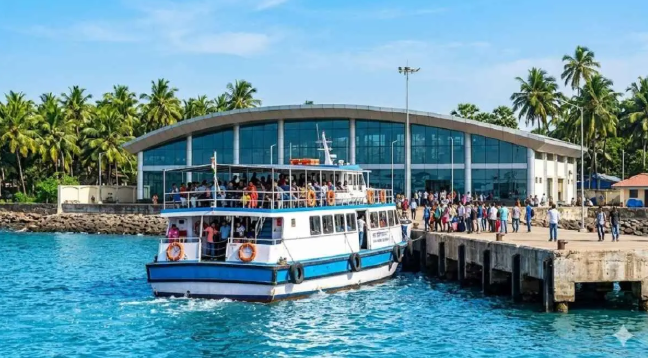
By ferry: Catamarans and the RoRo ferry run from Mumbai to Mandwa jetty in about an hour, and a short transfer takes you into Alibaug from there. It’s the more scenic option and skips road traffic entirely, though services depend on weather and can pause during heavy monsoon. If you like the idea of arriving by sea, check the day’s ferry timings before you commit.
See also: Electric vs Wood Heat for an Outdoor Sauna in a Small Space
When to visit
October to March is the comfortable window — mild days, cool evenings, and the best conditions for beaches and sightseeing. This is peak season, so weekends and long weekends fill up early.
The monsoon (roughly June to September) is a different experience entirely: green, dramatic, and much quieter, with lower rates and a moody coastline. It’s lovely if you don’t mind rain and you’re mainly there to slow down. Just factor in that some water activities pause and ferry schedules get unpredictable. Summer, from April into June, runs hot and humid, though it’s prime time for Konkan Alphonso mangoes if that’s a draw.
Where to stay
This is the decision that shapes the whole trip. Alibaug isn’t really a hotel town in the conventional sense — the appeal is in its private homes. Booking one of the many villas in Alibaug gives a group its own pool, kitchen, garden and living space, which changes the rhythm of a weekend. Instead of everyone retreating to separate rooms, you spend the days together and set your own schedule.
A few things worth checking before you confirm a booking:
- Real occupancy: Look at the actual number of bedrooms and the stated maximum occupancy, not just a headline figure. What comfortably sleeps eight is different from what technically fits twelve.
- Pool details: Confirm whether the pool is truly private, its size, and any operating hours or rules — some properties switch the pool off in the evening.
- Location within Alibaug: The region spans several villages. Kihim and Awas lean quiet and green, Nagaon and Kashid are livelier and closer to the beach action, and Mandwa is handy if you’re arriving by ferry.
- House rules: Policies on pets, visitors, music, and celebrations vary widely between properties. Sort this out upfront if it matters to your plans.
What to actually do
Alibaug rewards a slow pace, but there’s enough to fill a weekend if you want it.
The beaches are the obvious draw — Alibaug, Nagaon, Kihim, Akshi, Varsoli, and the longer, scenic stretch at Kashid a little further down the coast. Kolaba Fort is the one landmark worth timing carefully: it sits just offshore, and you can walk out to it across the sand only at low tide, so check the day’s tide chart or you’ll be looking at it from the shore.
Beyond that, the coast is built for eating well. Look for Malvani and Agri-Koli seafood — fresh fish thalis, prawns, and sol kadhi, the kokum-and-coconut drink that turns up everywhere. Evenings are for sunsets, a walk on the sand, and not much else, which is rather the point.
A few travel-smart notes
Book your stay well ahead for any long weekend — Alibaug sells out fast when Mumbai empties out. Carry some cash, since local markets and smaller vendors don’t always take cards. If you’re driving in monsoon, allow extra time and watch for waterlogged stretches. And keep an eye on ferry timings if that’s your route back, especially on a Sunday evening when everyone leaves at once.
Sort the route, the season and the stay, and Alibaug takes care of the rest. It’s an easy place to have a good weekend — which is exactly why so many people keep going back.
Frequently Asked Questions
How far is Alibaug from Mumbai?
By road it’s roughly two to two-and-a-half hours from South Mumbai in clear traffic, faster since the Atal Setu sea link opened. By ferry, it’s about an hour to Mandwa jetty plus a short transfer into Alibaug.
What is the best time to visit Alibaug?
October to March offers the most pleasant weather and is peak season. The monsoon (June to September) is lush and quiet with lower rates but unpredictable ferries, while summer is hot but good for mango season.
Is it better to book a villa or a hotel in Alibaug?
For groups, families, and celebrations, a private villa usually wins — you get your own pool, kitchen and space, and can set your own schedule. Check the real occupancy, pool rules, location, and house policies before booking.
How do I reach Kolaba Fort?
Kolaba Fort sits just off Alibaug beach and is reachable on foot across the sand only at low tide. Check the day’s tide timings before you set out, or you may find it cut off by the water.
Do I need to book accommodation in advance?
Yes, especially for weekends and long weekends in peak season, when Alibaug fills up quickly. Booking early also gives you a better choice of location and property size.