Water Leaking From Ceiling: Causes, Solutions, and How to Prevent Future Damage

Introduction
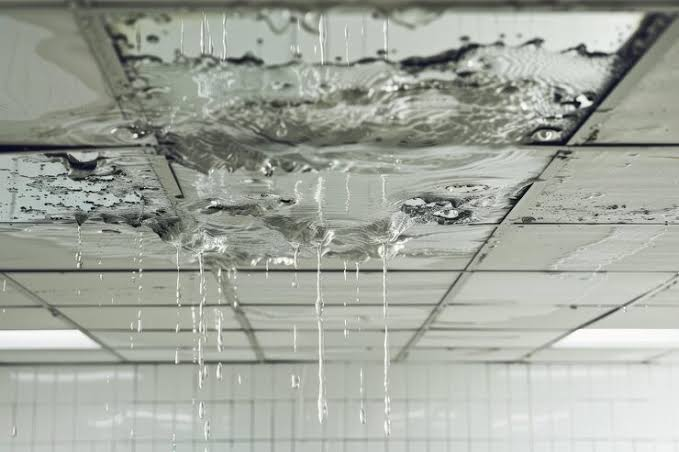
Discovering water leaking from the ceiling can be a stressful experience for any homeowner or property manager. A ceiling leak is not only an inconvenience but can also indicate a larger problem involving plumbing systems, roofing issues, drainage problems, or structural damage. If the source of the leak is not identified and repaired quickly, it can lead to mold growth, damaged walls, weakened structures, and expensive repairs.
A ceiling leak may appear as a small water stain, dripping water, peeling paint, damp patches, or visible ceiling damage. While the visible leak may seem like the main issue, the actual source of the water is often located above the ceiling and may require proper inspection to identify.
Understanding the common causes of water leaking from ceiling, knowing what immediate steps to take, and learning how to prevent future problems can help protect your property and avoid costly damage.
What Does Water Leaking From the Ceiling Mean?
When water begins dripping or staining your ceiling, it usually means moisture has entered an area where it should not be present. The ceiling itself is rarely the original source of the problem. Instead, water typically travels from another location before appearing through the ceiling surface.
The source could be a leaking pipe, damaged roof, overflowing drainage system, bathroom plumbing issue, or condensation problem. Because water can move along beams, pipes, and other building materials, the location where water appears may not always directly match the location of the actual leak.
A professional inspection is often necessary to determine the exact cause and prevent repeated damage.
Common Causes of Water Leaking From Ceiling
There are several reasons why water may leak through a ceiling. Identifying the cause is the first step toward finding the correct repair solution.
Roof Damage and Leaks
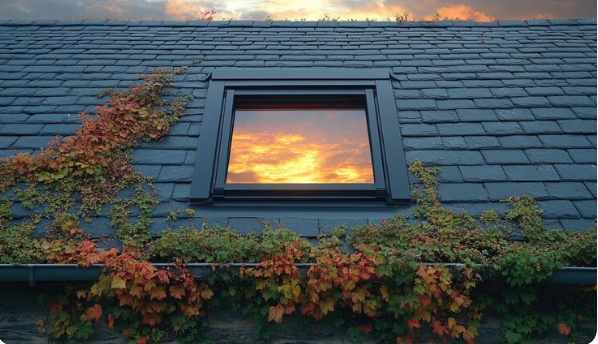
One of the most common causes of ceiling leaks is roof damage. Cracked roofing materials, damaged shingles, worn-out flashing, or gaps around vents and chimneys can allow rainwater to enter the building.
Roof leaks are especially common after heavy rainfall, storms, or strong winds. Water may enter through small openings and travel through insulation or ceiling materials before becoming visible inside the home.
Regular roof inspections can help identify damaged areas before they develop into serious leaks.
Plumbing Pipe Leaks
Leaking pipes located above ceilings are another major cause of water damage. Plumbing connections can weaken over time, pipes can develop cracks, or fittings may become loose.
A hidden pipe leak can slowly damage ceiling materials before becoming noticeable. Signs of a plumbing-related ceiling leak may include:
- Water dripping even when it is not raining
- Damp spots appearing near bathrooms or kitchens
- Reduced water pressure
- Unusual sounds coming from walls or ceilings
A plumber should inspect the plumbing system to locate and repair the source of the leak.
Bathroom Water Leakage
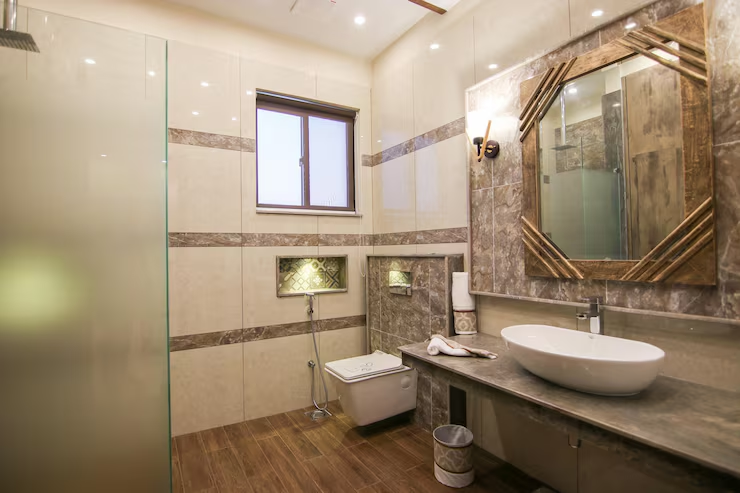
Bathrooms are a frequent source of ceiling leaks, especially in multi-story homes and buildings. Water from showers, bathtubs, toilets, or sinks can seep into floors and eventually appear through the ceiling below.
Common bathroom-related causes include damaged shower seals, leaking pipes, faulty waterproofing, and overflowing fixtures.
Regularly checking bathroom areas for moisture buildup can help prevent leaks from spreading.
Air Conditioning Condensation Problems
Air conditioning systems can sometimes cause water leaking from ceilings due to drainage problems. If the condensate drain becomes blocked or the drain pan is damaged, water can overflow and collect around the ceiling area.
Signs of an AC-related ceiling leak may include water appearing near vents, damp ceiling patches, or dripping water during air conditioner operation.
Proper AC maintenance and regular cleaning of drainage systems can help prevent this issue.
Damaged Gutters and Drainage Systems
Blocked or damaged gutters can cause water to accumulate near the roofline. Instead of flowing away from the building, water may enter roofing structures and eventually leak through ceilings.
Leaves, debris, and improper drainage slopes can contribute to gutter-related water problems.
Keeping gutters clean and ensuring proper water flow helps protect roofs and ceilings from moisture damage.
Immediate Steps to Take When Water Is Leaking From Ceiling
When you notice water leaking from your ceiling, taking quick action can reduce damage and improve safety.
Turn Off Electricity Near the Leak
Water and electricity create a dangerous combination. If water is leaking near light fixtures, fans, or electrical wiring, switch off power to the affected area if it is safe to do so.
Avoid touching electrical fixtures or wet areas until the situation has been inspected.
Protect Furniture and Belongings
Move furniture, electronics, and valuable items away from the affected area. Cover larger items with waterproof materials if necessary.
Reducing exposure to water helps prevent additional property damage.
Collect Dripping Water
Place buckets or containers under active leaks to collect dripping water. This can help prevent water from spreading across floors and causing additional damage.
However, remember that collecting water only manages the symptom. The source of the leak still needs to be repaired.
Identify Possible Sources
Check areas above the leak if they are safely accessible. Look for signs of plumbing problems, roof damage, or water accumulation.
Avoid opening ceilings or removing materials unless you understand the risks involved.
Signs That Your Ceiling Has Water Damage
Not all ceiling leaks immediately result in visible dripping. Sometimes damage develops slowly and becomes noticeable through warning signs.
Water Stains
Brown, yellow, or dark marks on ceilings are common indicators of previous or ongoing water damage.
Even if the ceiling is no longer actively leaking, stains may indicate an unresolved moisture problem.
Peeling Paint or Bubbling Surfaces
When water gets trapped behind ceiling paint, it can cause bubbling, cracking, or peeling.
These signs suggest moisture has affected the ceiling material and requires attention.
Mold Growth
Persistent moisture creates ideal conditions for mold growth. Mold may appear as black, green, or gray patches and can spread if the underlying moisture issue is not resolved.
Addressing leaks quickly helps prevent mold-related problems.
Sagging Ceiling Sections
A ceiling that appears swollen or sagging may contain trapped water. This can become a serious safety concern because weakened materials may eventually collapse.
Professional evaluation is recommended when ceiling sections begin to sag.
How to Repair Water Leaking From Ceiling
The correct repair method depends on the cause of the leak. Fixing only the visible ceiling damage without addressing the source will usually result in recurring problems.
Repairing Roof Leaks
Roof repairs may involve replacing damaged shingles, sealing cracks, repairing flashing, or fixing waterproofing issues.
A roofing professional can inspect the roof structure and recommend the appropriate repair solution.
Fixing Plumbing Problems
For plumbing-related leaks, damaged pipes, fittings, or fixtures need to be repaired or replaced.
Professional plumbing repairs help ensure the issue does not continue behind walls or ceilings.
Restoring Damaged Ceilings
After the leak source has been repaired and the area has dried completely, damaged ceiling materials can be restored.
Repairs may include:
- Removing damaged drywall
- Treating affected areas
- Replacing ceiling sections
- Applying new paint and finishes
Proper drying is important before repairs begin to prevent future mold growth.
Preventing Water Leaks From Ceiling
Preventive maintenance can significantly reduce the chances of experiencing ceiling leaks.
Schedule Regular Roof Inspections
Checking your roof periodically helps identify damaged areas before they allow water into your home.
Look for cracked materials, damaged seals, missing shingles, or areas where water may collect.
Maintain Plumbing Systems
Regular plumbing inspections can identify small leaks before they become major problems.
Check faucets, pipes, water heaters, and bathroom fixtures for signs of moisture or damage.
Improve Bathroom Waterproofing
Bathrooms should have proper waterproofing systems around showers, tubs, and wet areas.
Damaged seals and grout should be repaired quickly to prevent water from penetrating floors and ceilings.
Clean Gutters Regularly
Keeping gutters free from leaves and debris allows rainwater to flow away from the building properly.
Blocked gutters increase the risk of roof leaks and water damage.
Maintain Air Conditioning Systems
Regular AC maintenance helps prevent drainage problems that can lead to ceiling leaks.
Cleaning filters, checking drain lines, and inspecting components can improve system performance.
When Should You Call a Professional?
Some ceiling leaks can be identified and repaired easily, but many require professional assistance. You should contact an expert when:
- The source of the leak is unclear
- Water continues dripping after basic checks
- Electrical systems are affected
- The ceiling is sagging
- Mold is present
- Roof or plumbing repairs are required
Professionals have the tools and experience needed to locate hidden leaks and complete repairs safely.
Conclusion
Water leaking from ceiling is a warning sign that should never be ignored. Whether caused by roof damage, plumbing problems, bathroom leaks, drainage issues, or AC condensation, addressing the problem quickly can prevent expensive repairs and structural damage.
The key to solving ceiling leaks is identifying and repairing the source of the water rather than only treating visible damage. Regular maintenance, timely inspections, and professional repairs can help protect your property and maintain a safe, dry living environment.
By understanding the causes, warning signs, and solutions for ceiling leaks, homeowners can take proactive steps to prevent water damage and preserve the long-term condition of their property.