Choosing Polycarbonate Roof Domes for Commercial and Residential Building

Introduction
Natural light plays an important role in creating comfortable, energy-efficient, and visually appealing buildings. Whether it is a residential property, commercial facility, industrial building, or architectural project, bringing more daylight indoors can improve the atmosphere while reducing dependence on artificial lighting. Polycarbonate roof domes are one of the most practical solutions for achieving this balance.
Polycarbonate roof domes are lightweight roofing systems designed to allow natural sunlight into interior spaces while providing excellent durability and weather resistance. Made from strong polycarbonate materials, these domes are commonly used in skylights, roof openings, commercial structures, warehouses, stairwells, and modern architectural designs.
Unlike traditional glass skylights, polycarbonate roof domes offer improved impact resistance, better insulation properties, and easier maintenance. They are available in different shapes, sizes, and finishes, making them suitable for a wide range of applications.
In this guide, we will explore what polycarbonate roof domes are, their advantages, different types, applications, installation process, and factors to consider before choosing the right option for your building.
What Are Polycarbonate Roof Domes?
Polycarbonate roof domes are transparent or translucent roofing structures manufactured using polycarbonate sheets or molded polycarbonate materials. They are designed to be installed on roofs to provide natural daylight while protecting interiors from rain, wind, dust, and external elements.
Polycarbonate is a high-performance thermoplastic material known for its strength, flexibility, and resistance to impact. Compared to traditional glass materials, polycarbonate offers significantly higher durability and can withstand harsh weather conditions.
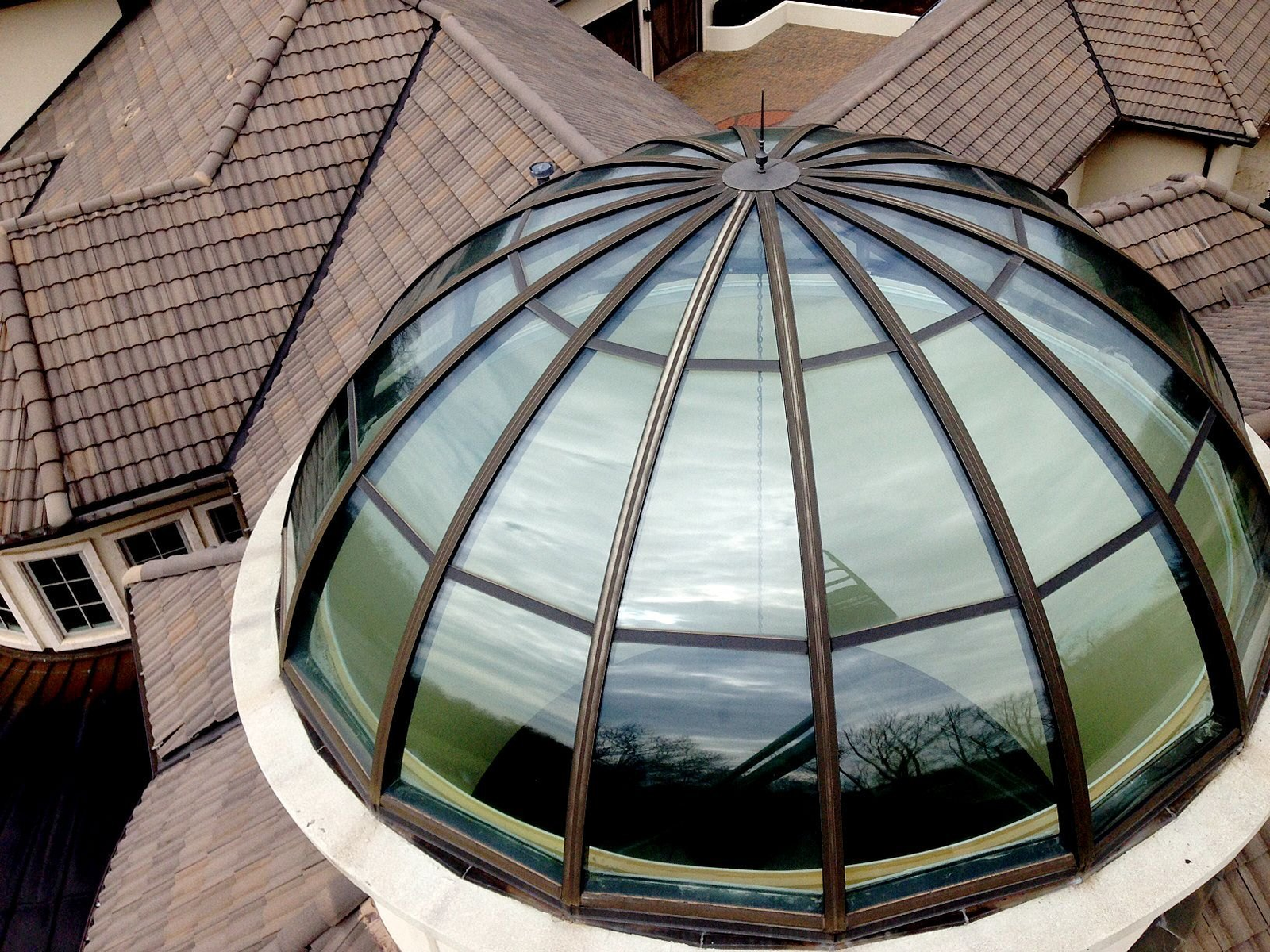
These domes are commonly installed over roof openings to create skylights that improve indoor brightness and ventilation. They are often used in homes, offices, shopping centers, factories, schools, and public buildings where natural lighting is desired.
The lightweight nature of polycarbonate roof domes makes them easier to transport and install compared to heavier roofing alternatives. Their combination of strength, transparency, and energy efficiency makes them a popular choice for modern construction projects.
Benefits of Polycarbonate Roof Domes
Choosing the right roofing solution requires considering durability, performance, maintenance, and long-term value. Polycarbonate roof domes provide several benefits that make them an effective choice for both residential and commercial buildings.
Excellent Natural Lighting Solution
One of the biggest advantages of polycarbonate roof domes is their ability to maximize natural daylight. By allowing sunlight to enter interior spaces, they reduce the need for artificial lighting during the daytime.
Natural lighting creates brighter and more welcoming environments while helping reduce electricity consumption. Buildings with properly designed skylight systems often feel more spacious and comfortable.
For commercial buildings, warehouses, and offices, improved daylight can create better working conditions and enhance overall employee comfort.
High Impact Resistance
Polycarbonate is known for its exceptional strength and impact resistance. Unlike glass, which can crack or break under strong impact, polycarbonate materials are designed to withstand heavy pressure and harsh conditions.
This makes polycarbonate roof domes suitable for areas exposed to extreme weather, including heavy rain, strong winds, hail, and temperature changes.
Their durability makes them a reliable long-term roofing solution for buildings where safety and performance are important.
Lightweight Construction
Polycarbonate roof domes are much lighter than traditional glass alternatives. Their reduced weight makes installation easier and places less structural load on the building.
The lightweight design also helps reduce transportation costs and simplifies handling during construction projects.
For older buildings or structures where additional weight may be a concern, polycarbonate domes provide an effective daylighting solution without requiring major structural modifications.
Weather Resistance
Polycarbonate roof domes are designed to withstand outdoor conditions. They provide protection against rain, UV exposure, temperature fluctuations, and environmental elements.
Many polycarbonate domes include UV-resistant coatings that prevent yellowing and material degradation caused by prolonged sunlight exposure.
This ensures the dome maintains its appearance and performance for many years with proper care.
Energy Efficiency
By increasing natural light penetration, polycarbonate roof domes can help reduce the use of electric lighting during daylight hours.
Certain designs also improve thermal insulation by reducing heat transfer between indoor and outdoor environments.
When combined with proper building design, polycarbonate domes can contribute to improved energy efficiency and lower operating costs.
Types of Polycarbonate Roof Domes
Polycarbonate roof domes are available in different designs to meet various architectural and functional requirements. Choosing the right type depends on factors such as building structure, lighting requirements, and environmental conditions.
Single Layer Polycarbonate Roof Domes
Single-layer domes are simple and cost-effective options designed primarily for natural lighting purposes.
They are commonly used in smaller residential applications, garages, stairwells, and areas where basic daylight access is required.
These domes provide good light transmission while maintaining the strength advantages of polycarbonate materials.
Double Layer Polycarbonate Roof Domes
Double-layer polycarbonate roof domes feature two layers separated by an air gap, improving insulation performance.
The additional layer helps reduce heat transfer, making them suitable for buildings where temperature control and energy efficiency are important.
They are commonly used in commercial properties, offices, and larger buildings.
Triple Layer Polycarbonate Roof Domes
Triple-layer systems provide enhanced insulation and durability compared to single or double-layer designs.
They are often selected for buildings located in regions with extreme temperatures because they offer improved thermal performance.
These domes are ideal for projects requiring higher energy efficiency and long-term performance.
Ventilated Polycarbonate Roof Domes
Ventilated roof domes are designed to provide both daylight and airflow. They include mechanisms that allow ventilation while maintaining weather protection.
These systems are useful in kitchens, industrial buildings, bathrooms, and areas where moisture control is important.
Common Applications of Polycarbonate Roof Domes
Polycarbonate roof domes are versatile and can be used in many different building environments. Their durability and flexibility make them suitable for various applications.
Residential Buildings
Homeowners often use polycarbonate roof domes in areas such as kitchens, bathrooms, hallways, staircases, and living rooms.
They help create brighter interiors while adding a modern architectural feature to residential spaces.
Commercial Buildings
Offices, retail stores, hotels, and shopping centers use polycarbonate roof domes to improve indoor lighting and create more attractive environments.
Better daylight distribution can enhance customer experiences and improve workplace comfort.
Industrial Facilities
Factories and warehouses often require efficient lighting solutions due to large interior spaces. Polycarbonate roof domes help illuminate these areas while reducing energy consumption.
Their durability makes them suitable for industrial environments where roofing materials must withstand demanding conditions.
Educational Institutions
Schools and universities use roof domes to create brighter classrooms, corridors, and common areas.
Natural lighting can contribute to improved learning environments and better indoor experiences.
Public Buildings
Airports, hospitals, community centers, and recreational facilities often incorporate polycarbonate roof domes as part of modern daylighting strategies.
Factors to Consider Before Installing Polycarbonate Roof Domes
Selecting the right polycarbonate roof dome requires careful consideration of several factors to ensure the best performance and value.
Size and Design Requirements
The size of the dome affects the amount of daylight entering the building. Larger domes provide more light but require proper structural planning.
The shape and design should complement the building’s architecture while meeting functional requirements.
Climate Conditions
Weather conditions should influence material selection. Buildings located in areas with extreme heat, heavy rainfall, or strong winds may require stronger multi-layer polycarbonate systems.
Choosing a suitable design ensures better durability and performance.
Insulation Needs
Different polycarbonate roof domes provide different levels of thermal insulation.
For buildings where temperature control is important, selecting double or triple-layer systems may provide better energy efficiency.
Installation Quality
Even high-quality materials can perform poorly if installation is not done correctly.
Proper sealing, flashing, alignment, and waterproofing are essential to prevent leaks and ensure long-term performance.
Installation Process of Polycarbonate Roof Domes
Installing polycarbonate roof domes requires careful preparation and professional expertise to ensure safety and durability.
The process typically begins with evaluating the roof structure and determining the appropriate location and size of the dome.
A suitable opening is prepared, and a mounting frame is installed to support the dome securely. Proper waterproofing materials are applied around the edges to prevent moisture penetration.
The polycarbonate dome is then positioned and secured using appropriate fasteners. Final inspections are performed to ensure the installation is stable, sealed, and properly aligned.
Professional installation helps prevent common problems such as leaks, poor insulation, and structural issues.
Maintenance Tips for Polycarbonate Roof Domes
Polycarbonate roof domes require minimal maintenance compared to many traditional roofing systems. However, regular care helps maintain their appearance and performance.
Cleaning the dome periodically removes dust, dirt, and debris that may reduce light transmission.
Use mild soap and water with a soft cloth or sponge to avoid scratching the surface. Avoid harsh chemicals or abrasive cleaning materials.
Regular inspections should be performed to check for damaged seals, cracks, or loose fittings.
Keeping drainage areas clear prevents water accumulation and reduces the risk of leaks.
Why Choose Polycarbonate Roof Domes Over Glass Alternatives?
While glass skylights have traditionally been used for daylighting, polycarbonate roof domes provide several advantages.
Polycarbonate offers better impact resistance, making it safer in demanding environments. It is also lighter, easier to install, and generally requires less maintenance.
The flexibility of polycarbonate allows manufacturers to create different shapes and designs while maintaining structural strength.
For many modern construction projects, polycarbonate roof domes provide a practical combination of affordability, durability, and energy efficiency.
Conclusion
Polycarbonate roof domes are an excellent solution for buildings looking to improve natural lighting, energy efficiency, and architectural appeal. Their lightweight construction, durability, weather resistance, and versatility make them suitable for residential, commercial, and industrial applications.
Whether you are designing a new building or upgrading an existing structure, choosing the right polycarbonate roof dome can transform indoor spaces by bringing in natural light while providing reliable protection against outdoor conditions.
With proper selection, professional installation, and regular maintenance, polycarbonate roof domes can provide long-lasting performance and significant value for any building project.