Wind Energy Technology Explained

Wind energy technology plays a crucial role in the transition to sustainable power. It involves converting the kinetic energy of wind into electricity through advanced turbines. These systems utilize innovative designs and materials to enhance efficiency and performance. As the demand for clean energy increases, understanding the intricacies of wind energy generation becomes essential. The implications of these technologies extend beyond energy production, influencing economic and environmental landscapes. What factors are driving these advancements?
The Basics of Wind Energy Generation
Wind energy generation relies on the conversion of kinetic energy from wind into electrical power through the use of wind turbines.
The effectiveness of this process is contingent upon the availability of wind resources and the generation efficiency of the turbines.
Optimal deployment of turbines in areas with consistent wind patterns enhances energy output, contributing to a sustainable and independent energy landscape that promotes freedom from conventional energy sources.
How Modern Wind Turbines Operate
Modern wind turbines operate through a sophisticated interplay of mechanical and electrical systems designed to maximize energy capture and conversion efficiency.
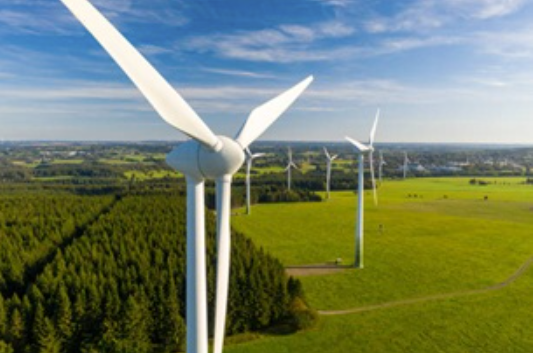
Turbine mechanics involve rotor blades that harness wind energy, converting it into rotational motion. This motion drives a generator, facilitating energy conversion from kinetic to electrical.
Innovations in Turbine Design
As the demand for renewable energy continues to grow, advancements in turbine design have emerged to enhance efficiency and reduce costs.
Innovations include vertical axis wind turbines, which offer improved performance in turbulent conditions and require less maintenance.
Offshore turbines are also evolving, featuring larger blades and advanced materials that maximize energy capture while minimizing environmental impact, thus promoting sustainable energy freedom.
See also: Why Zero-Trust Security Models Matter
Applications and Benefits of Wind Energy
While the transition to renewable energy sources becomes increasingly urgent, wind energy stands out as a versatile solution with a wide range of applications and significant benefits.
Offshore wind farms harness powerful ocean winds, generating substantial electricity. Additionally, community projects promote local engagement and sustainability, fostering energy independence.
The integration of wind energy supports economic growth while mitigating environmental impacts, thus enhancing overall societal well-being.
Conclusion
In the ever-evolving landscape of renewable energy, wind energy technology stands as a towering beacon of innovation and sustainability. Harnessing the invisible currents of air, modern wind turbines transform nature’s breath into electrical power, driving economies and fostering energy independence. As advancements in design and efficiency unfurl like the wings of a bird, the potential for wind energy to illuminate our future becomes increasingly clear, positioning it as a cornerstone in the quest for a cleaner, greener planet.